Warts
What is a wart?
A wart is a small lump on the skin caused by a virus. Although it can sometimes look unpleasant, it is usually harmless.
Symptoms
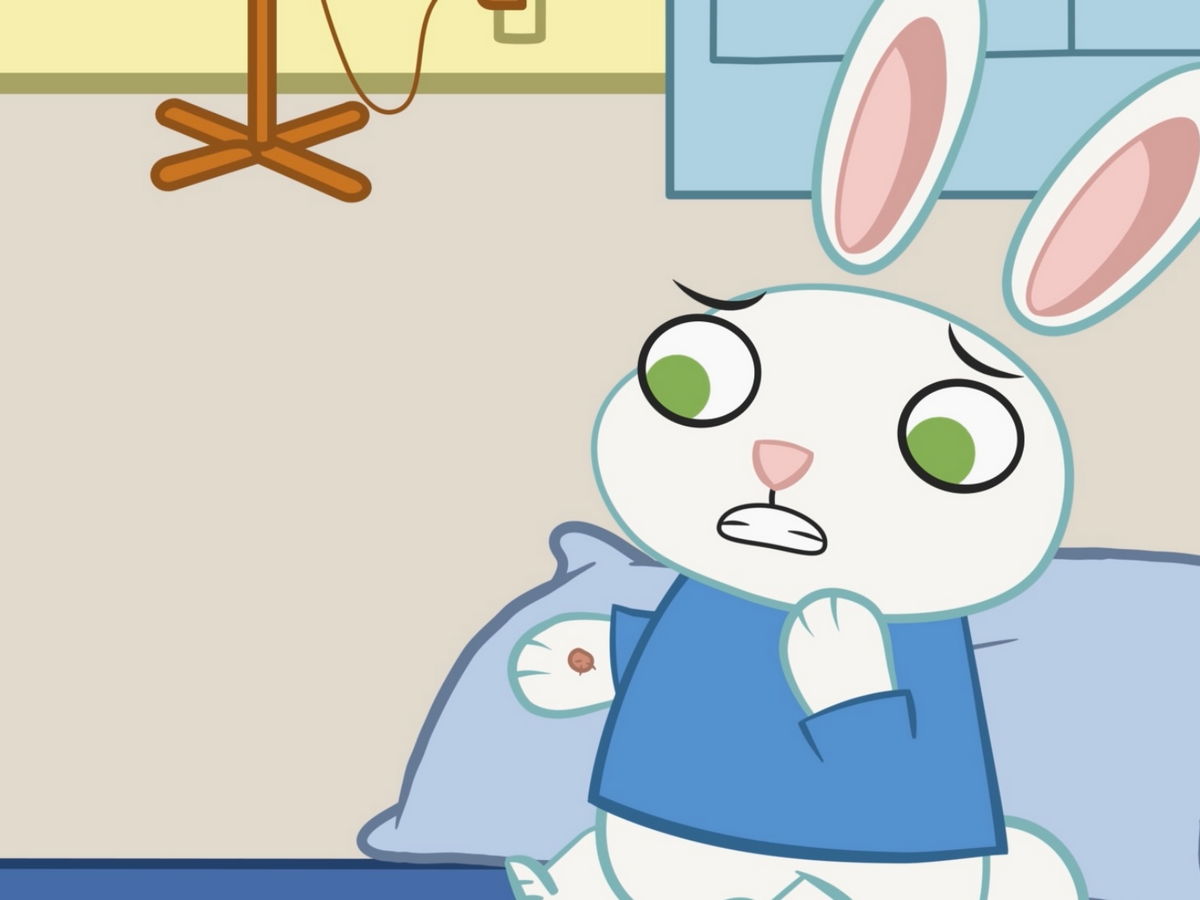
- Appearance: it looks like an unusual or rough lump on the skin; in the episode, it appears on a paw or hand.
- Sensation: it is usually painless, although it can sometimes itch or feel uncomfortable.
How does it spread?
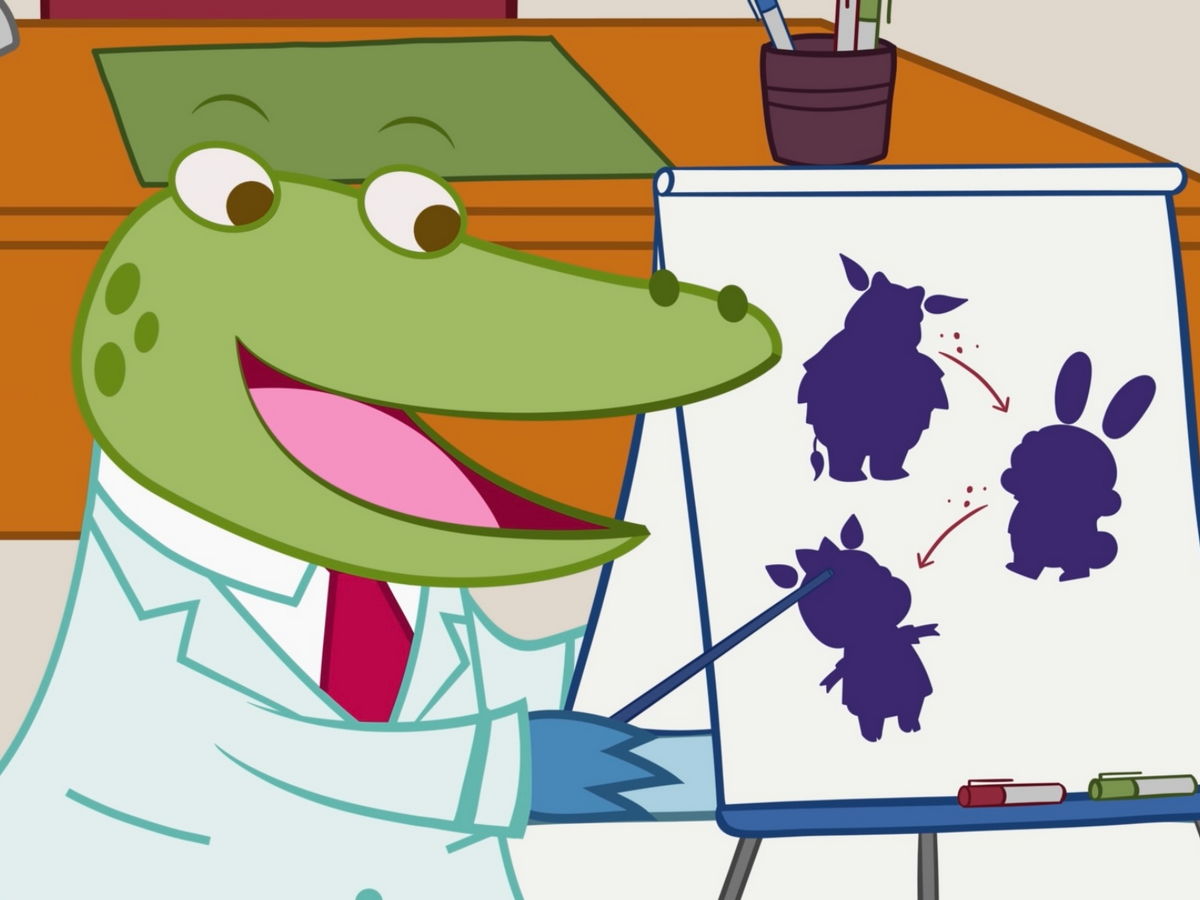
The virus that causes warts can pass from one person to another or spread to other areas of the body:
- Direct contact: by touching another person's wart.
- Indirect contact: by touching objects or surfaces previously used by someone with warts.
- Self-spread: by touching a wart and then another part of your own body.
Treatments
Many warts go away on their own. When treatment is needed, a healthcare professional may recommend different options:
- Topical treatments: medicated products or plasters applied to the wart according to the instructions provided.
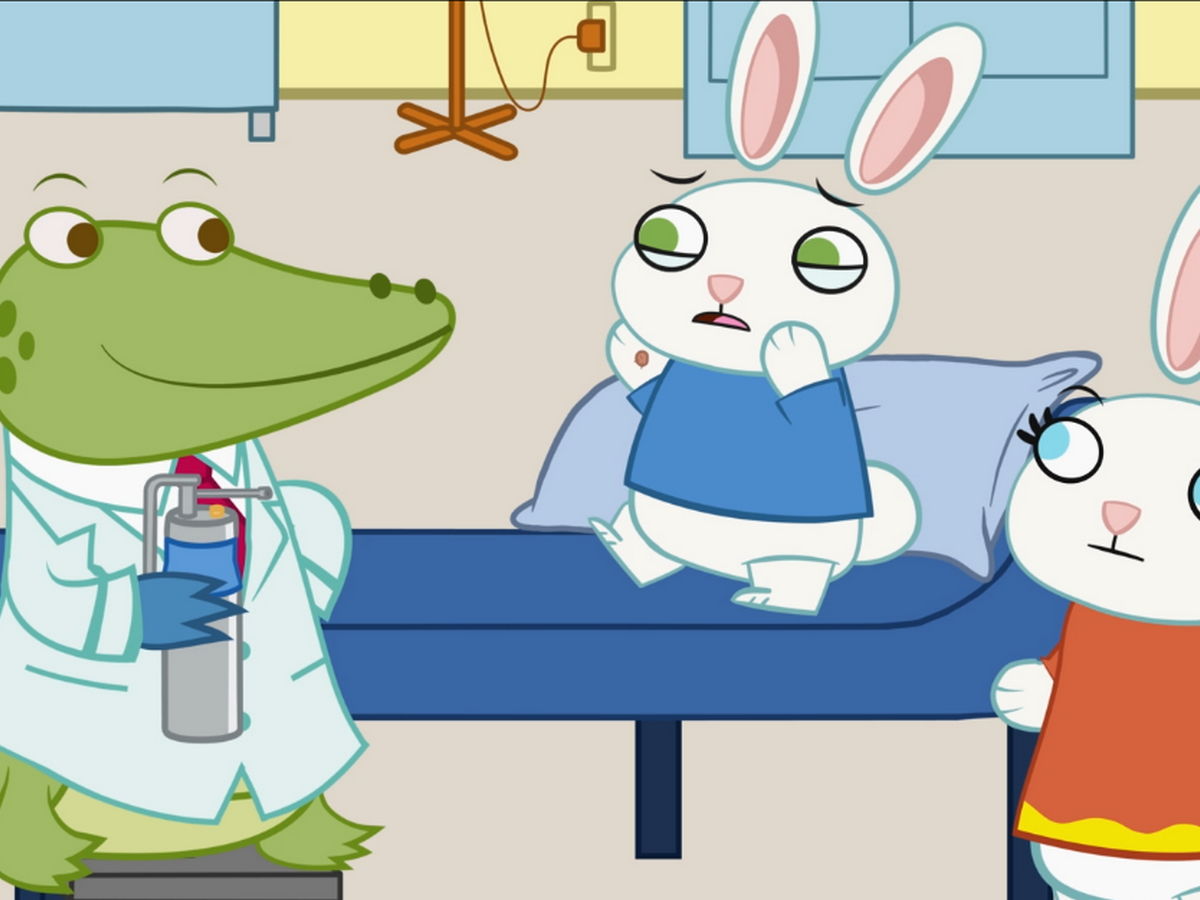
- Liquid nitrogen: a professional freezes the wart with a very cold substance to help remove it.
Aftercare
After liquid nitrogen treatment, follow the healthcare professional's instructions. In general:
- Keep the area clean and avoid scratching it.
- If a blister appears, do not pop it.
- Mild discomfort, a scab or a blister may occur for a few days.
- Once the skin has healed, protect it from the sun.
Warts can come back, and treatment sometimes needs to be repeated. If a skin growth hurts, bleeds, changes appearance or you are unsure what it is, ask a healthcare professional.