Bed bugs
What are bed bugs?
Bed bugs are small, brown, flat insects. They have no wings and cannot fly or jump. During the day they hide in mattress seams, bed frames, sofas, cracks and nearby furniture; at night they come out to feed on blood.
They are not known to transmit diseases. However, their bites can be very uncomfortable, and scratching may cause sores or skin infections.
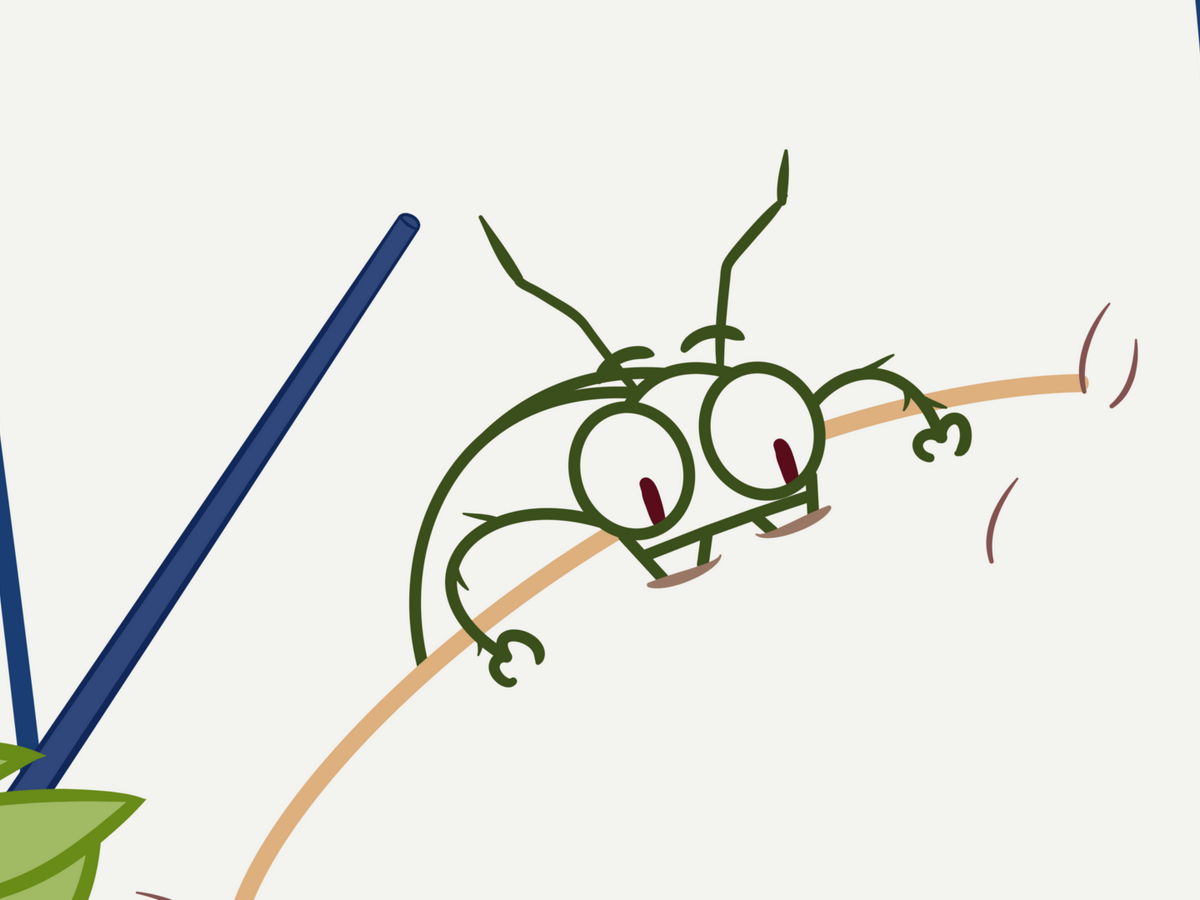
Bites and other signs
- Itchy bumps that may appear in groups or a line.
- Small blood spots on bedding.
- Dark spots on mattresses or furniture.
- Bed bugs, eggs or shed skins hidden in seams and cracks.
Not everyone reacts to bites, and marks can take time to appear. Other insect bites can look very similar, so skin marks alone do not confirm that bed bugs are present.
How do they get into a home?
Bed bugs are not passed on like a cold and do not normally live on people. They are excellent hitchhikers and travel hidden inside objects.
- Suitcases, backpacks, clothing or boxes.
- Used mattresses, sofas and furniture.
- Objects brought from an infested place.
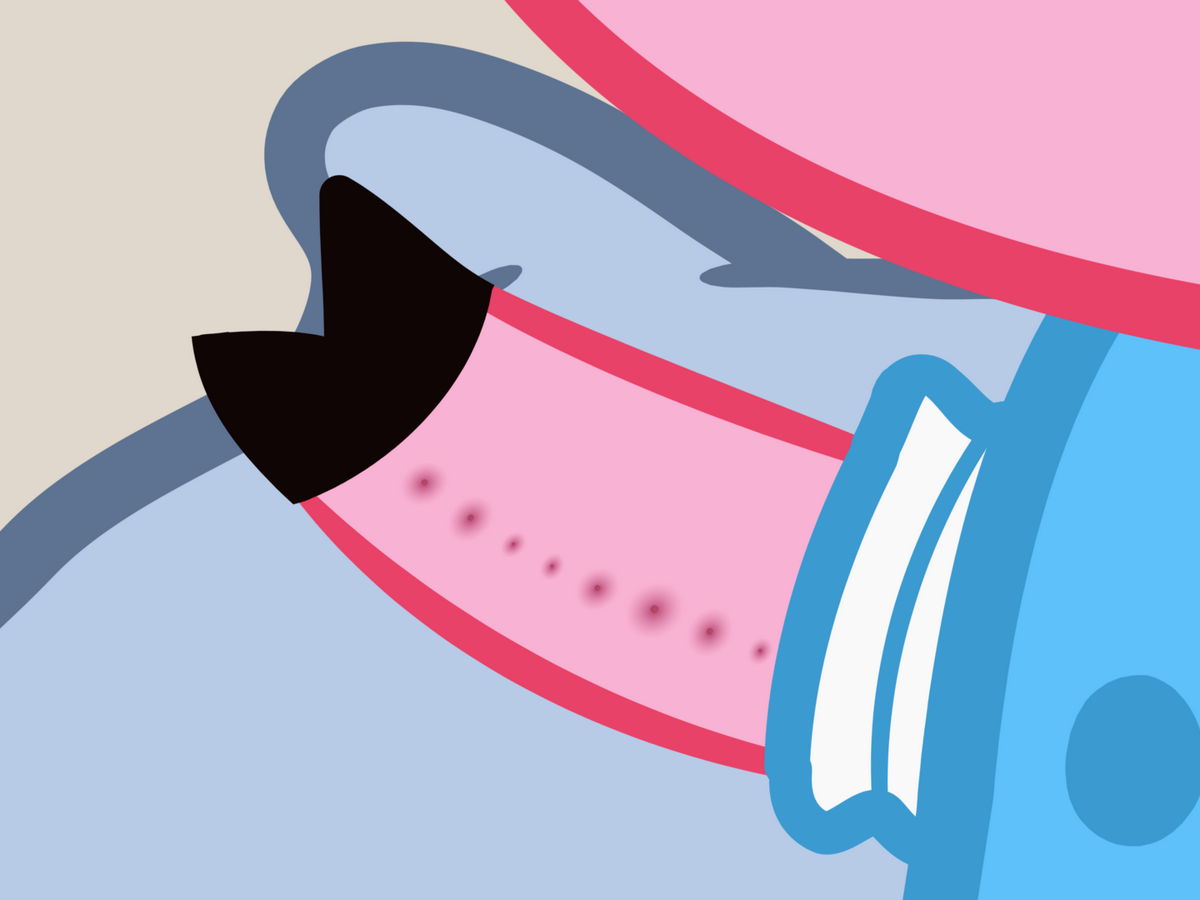
Removing and preventing an infestation
Bed bugs can appear even in a clean home. Tidying and cleaning make them easier to spot, but the places where they hide usually need to be treated:
- Tell an adult and contact a qualified pest-control professional.
- Move clothing and objects in sealed bags so the insects do not spread.
- For items that allow it, tumble-dry clothing and bedding on high heat for at least 30 minutes; washing alone may not be enough.
- Carefully inspect second-hand furniture and luggage after travelling.
- Reduce clutter and vacuum likely hiding places.
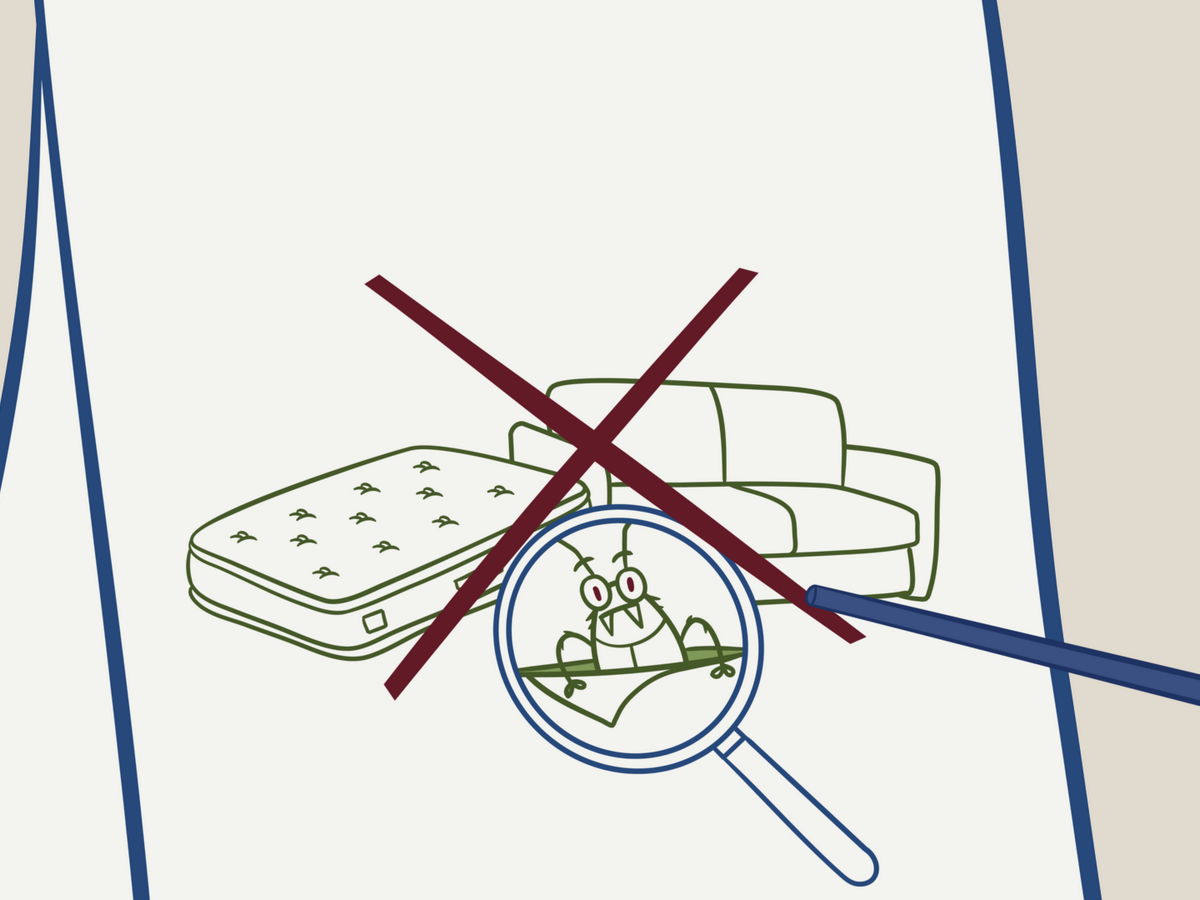
Do not move or discard infested furniture without a plan, as this may spread the bugs. If it must be discarded, wrap or seal it, label it clearly and follow local or professional instructions.
Caring for bites
- Gently wash the area and keep it clean.
- Use a cool compress to ease itching and swelling.
- Try not to scratch, to avoid breaking the skin.
- Ask a pharmacist or doctor before applying creams or giving medicine to a child.
Seek advice if pain, itching or swelling is severe, gets worse or there are signs of infection.