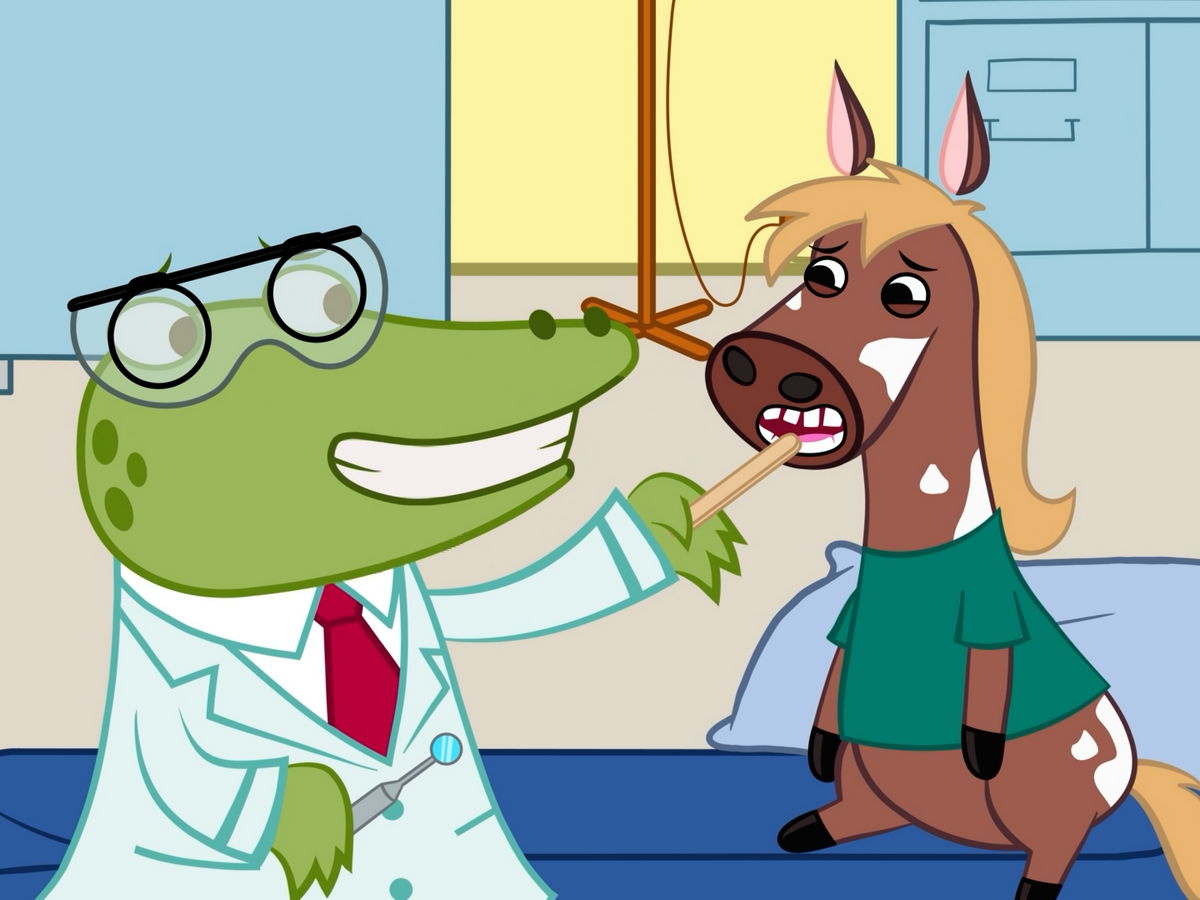
Baby teeth
What are baby teeth?
They are our first teeth. They help us chew, speak and smile while the mouth is still small. They also hold the space that permanent teeth will need.
They usually begin to fall out at around six years old, although every child develops at their own pace. The front teeth are often the first to become wobbly.
Baby teeth also guide permanent teeth into place, so it is important to look after them even though they are temporary.

Why do they wobble and what might you notice?
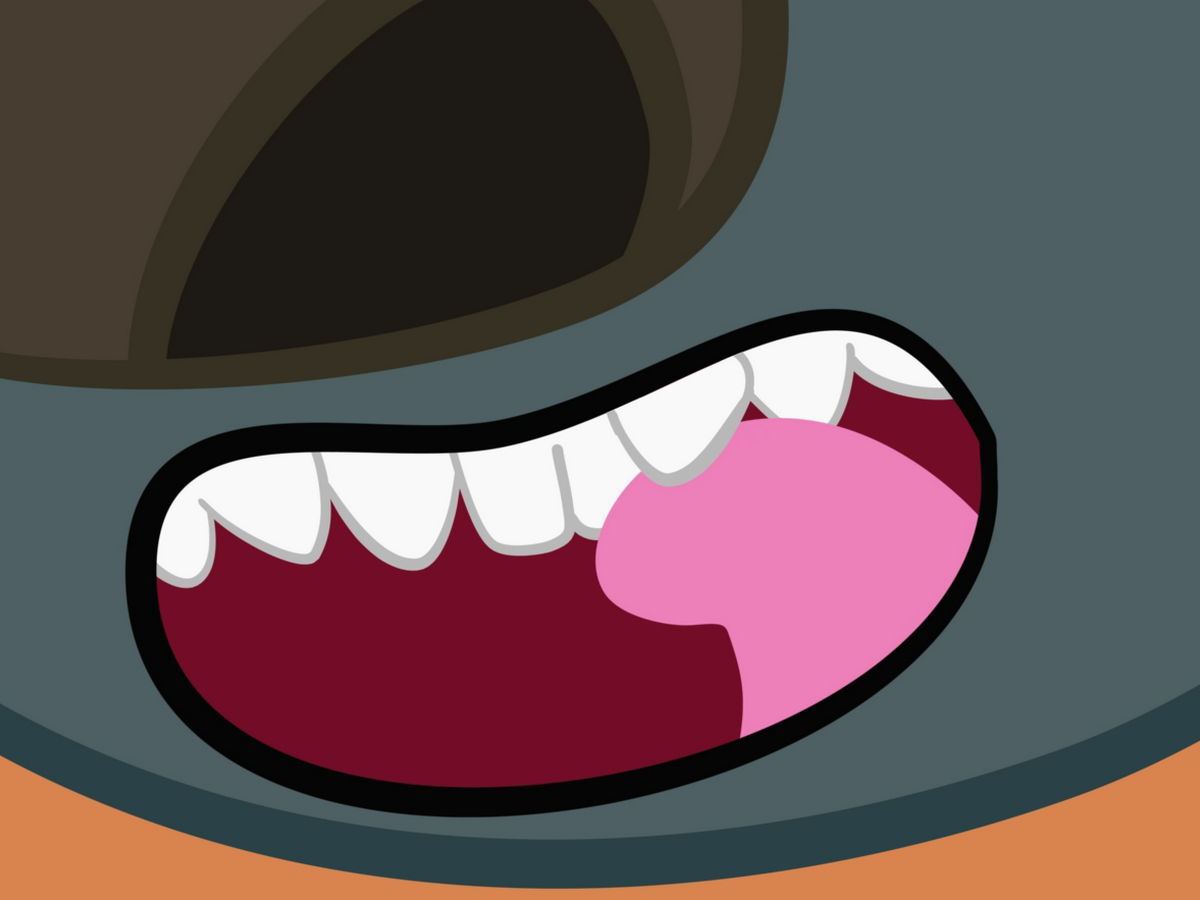
As the permanent tooth develops underneath, the root of the baby tooth is gradually resorbed. Once it loses its support, the tooth starts to wobble until it falls out and leaves a little gap.
- The tooth moves when gently touched with the tongue or a clean finger.
- It may feel strange or hurt a little when biting hard food.
- The gum may be slightly tender or red.
- A little bleeding after the tooth falls out can be normal.
Care and tips
- Be patient: do not pull it out by force or use string.
- If it is almost ready, gently wiggle it with your tongue or a clean finger.
- Choose soft foods for a while if it feels sore.
- Keep brushing gently with fluoride toothpaste so the new tooth comes into a healthy mouth.
- If it bleeds a little when it falls out, gently bite on clean gauze for a few minutes.
The permanent tooth will soon begin to appear. Showing off your new gap is a sign that you are growing up.
And according to a well-known tradition, you can leave the tooth under your pillow for the Tooth Fairy.
When should you tell an adult?
See a dentist if pain is severe or does not improve, there is marked swelling, pus or bleeding that will not stop, or the tooth became loose after a knock. If a baby tooth is knocked out in an accident, it must not be put back into the socket.