Vitiligo
What is vitiligo?
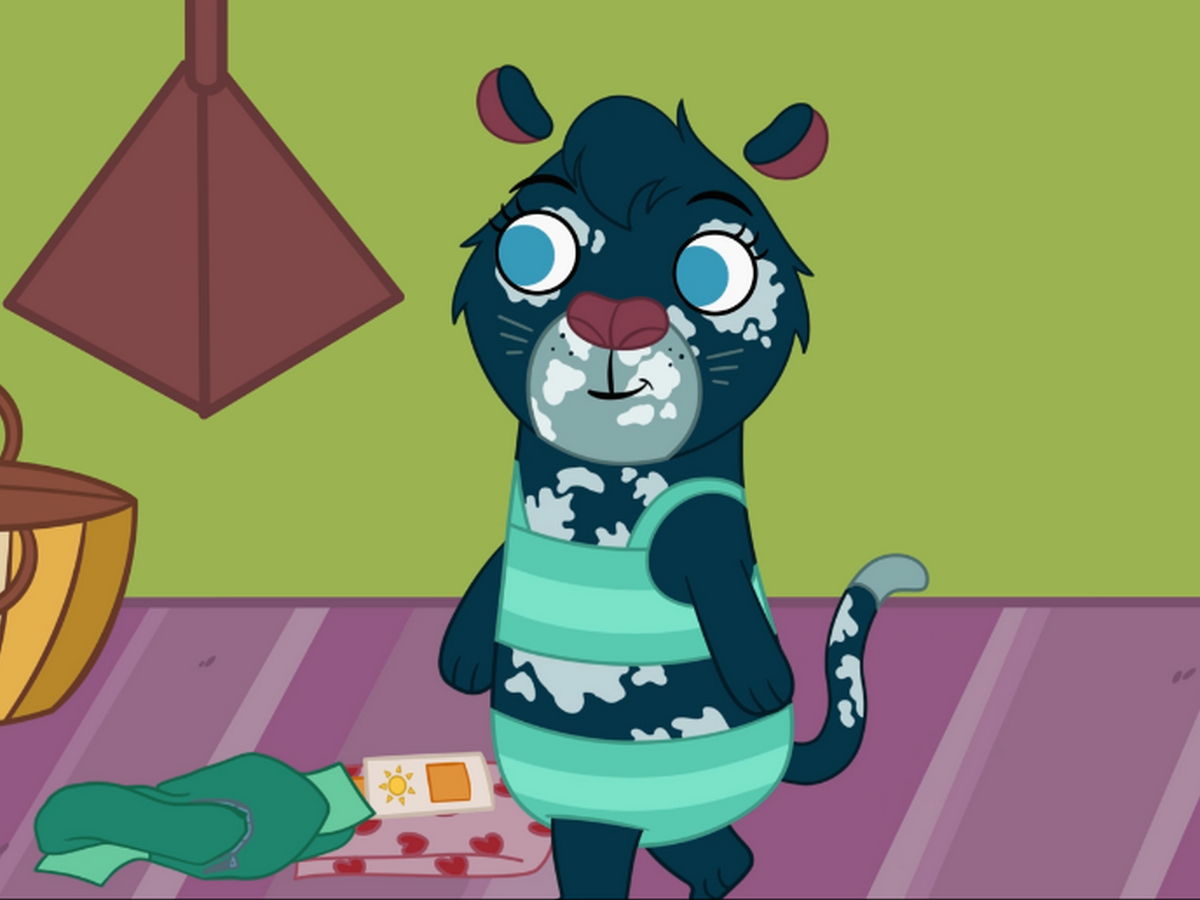
Vitiligo is a long-term condition that causes some areas of skin to lose their colour or pigment, forming lighter or white patches. It can affect people with any skin tone.
It is not contagious: you cannot catch it by touching, hugging, sharing objects or being close to someone with vitiligo.
Why does it happen?
Skin colour comes from a pigment called melanin. In vitiligo, the immune system mistakenly attacks melanocytes, the cells that make this pigment. It is not caused by anything the person has done.
Signs
- Lighter or white patches that can appear anywhere on the body.
- Hair in an affected area can sometimes turn white too.
- The patches usually do not hurt or cause discomfort, although they can occasionally itch slightly.
Skin care
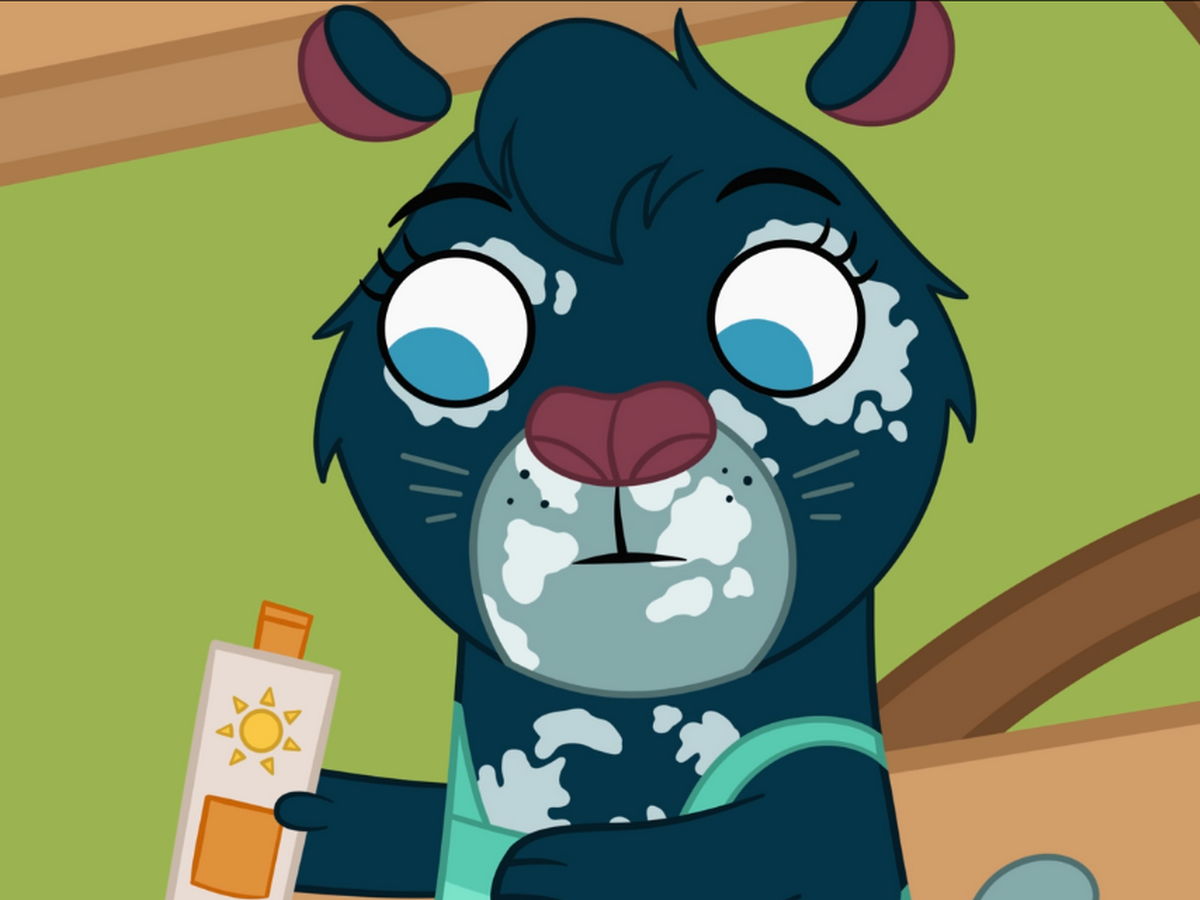
Skin that has lost pigment can sunburn more easily. To protect it:
- Seek shade and wear sun-protective clothing, a hat and sunglasses.
- Apply high-factor, broad-spectrum sunscreen to exposed skin.
- See a dermatologist to confirm the diagnosis and discuss treatment options if desired.
Every person's skin is different
Vitiligo changes the appearance of the skin, but it does not define the person. The patches should never be a reason for teasing or exclusion. Understanding the condition helps everyone act with respect.