ADHD
What is ADHD?
ADHD stands for attention-deficit/hyperactivity disorder. It is a neurodevelopmental disorder: the brain works in a way that can make it harder to sustain attention, regulate activity and control impulses.
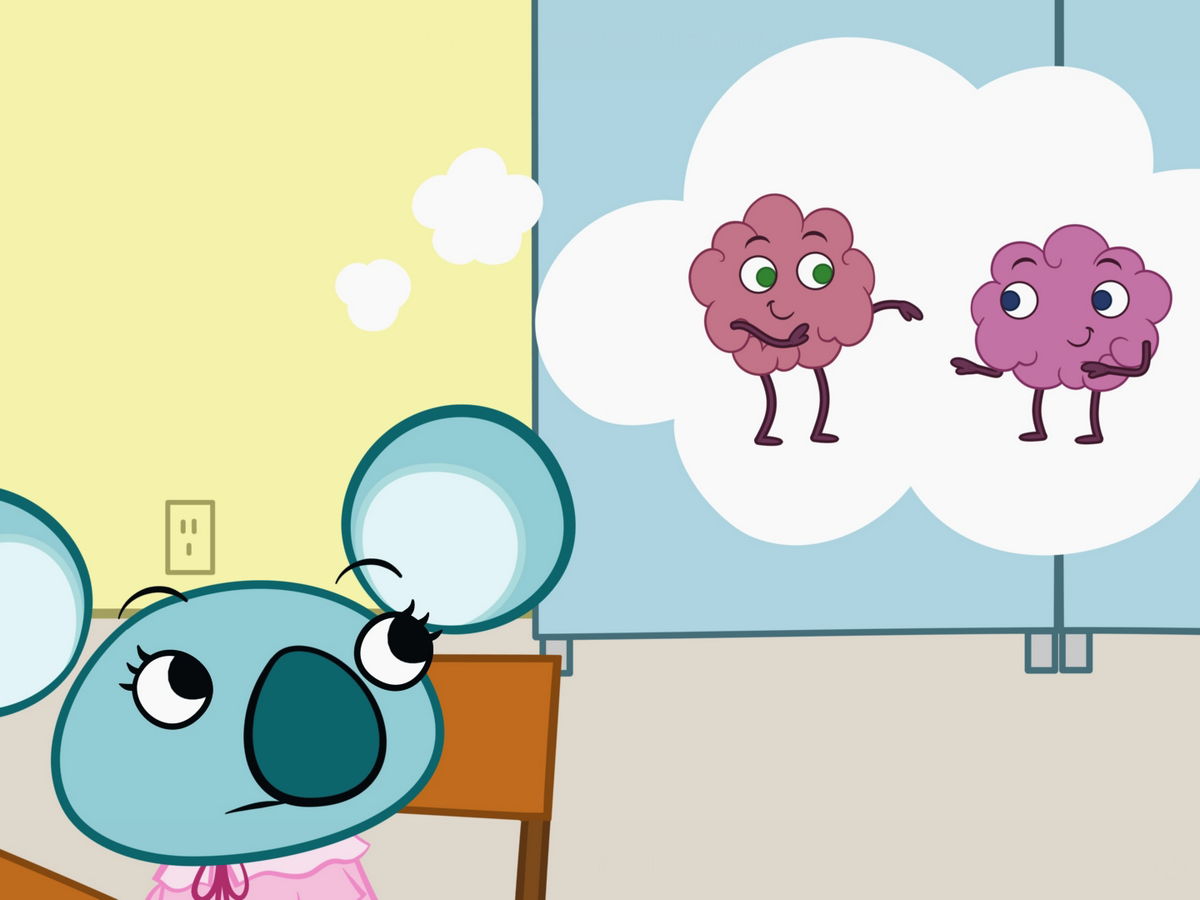
We can picture it as a 'turbo brain': it may move very quickly, jump from one idea to another and need help to slow down or follow one path. Every person with ADHD is different and has their own challenges, interests and strengths.
There is no single test for ADHD. A paediatrician, psychologist or psychiatrist assesses what happens over time in different settings, such as home and school, and checks for other possible explanations.
Common signs
- Being easily distracted or losing track of a task.
- Forgetting instructions, losing things or finding organisation difficult.
- Moving a lot or finding it hard to remain seated.
- Talking, interrupting or acting before thinking.
- Finding it difficult to wait for a turn or finish long activities.
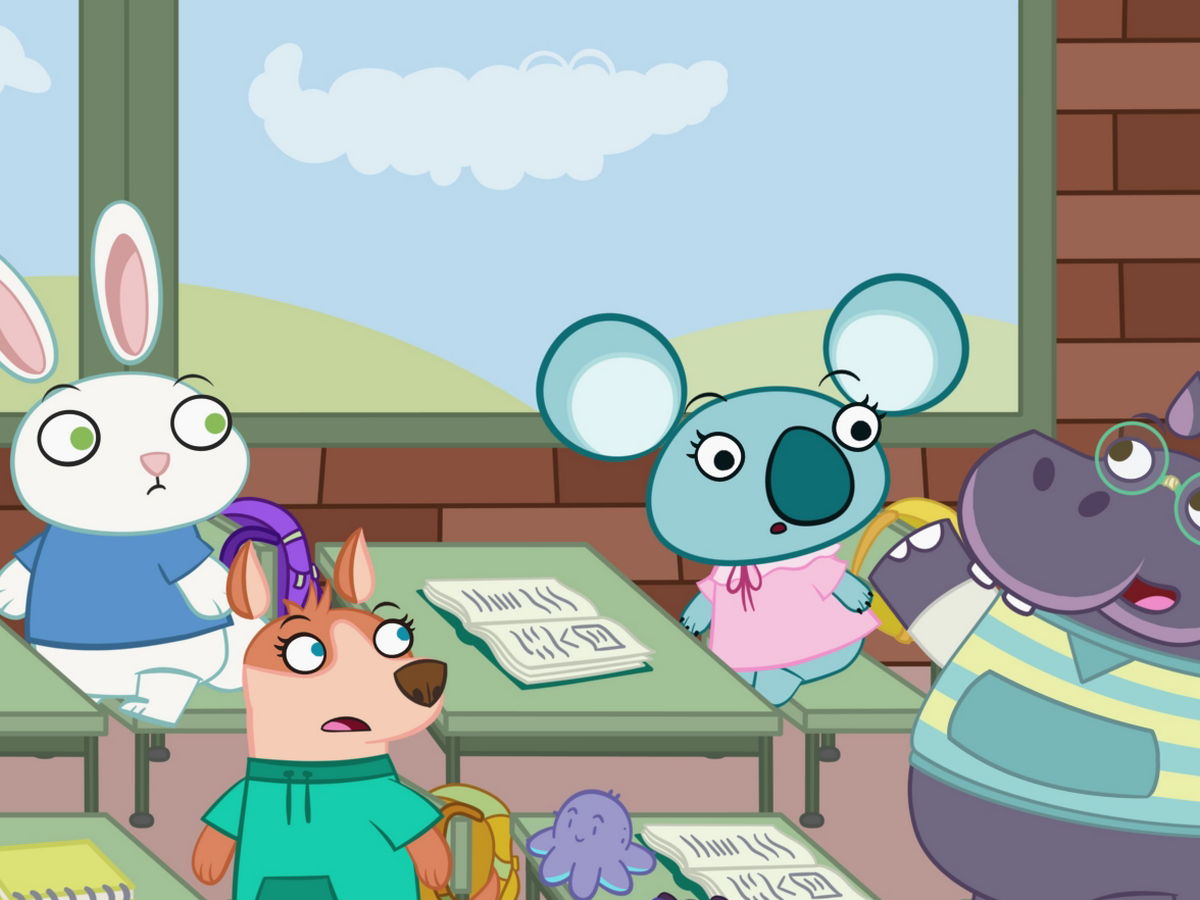
Everyone can be distracted or energetic sometimes. With ADHD, these difficulties persist, occur in more than one setting and significantly affect everyday life.
Support and strategies
Small strategies can make everyday life easier:
- Break long tasks into short, clear steps.
- Use lists, planners, timers and visual reminders.
- Alternate focused work with breaks and movement.
- Prepare a workspace with fewer distractions.
- When possible, breathe and count before speaking or acting.
- Recognise effort and build on the child's interests and abilities.
Support may include guidance for families, behaviour therapy, school adjustments and medication when recommended by a professional. The plan depends on the child's age and individual needs.
How can we help a classmate?
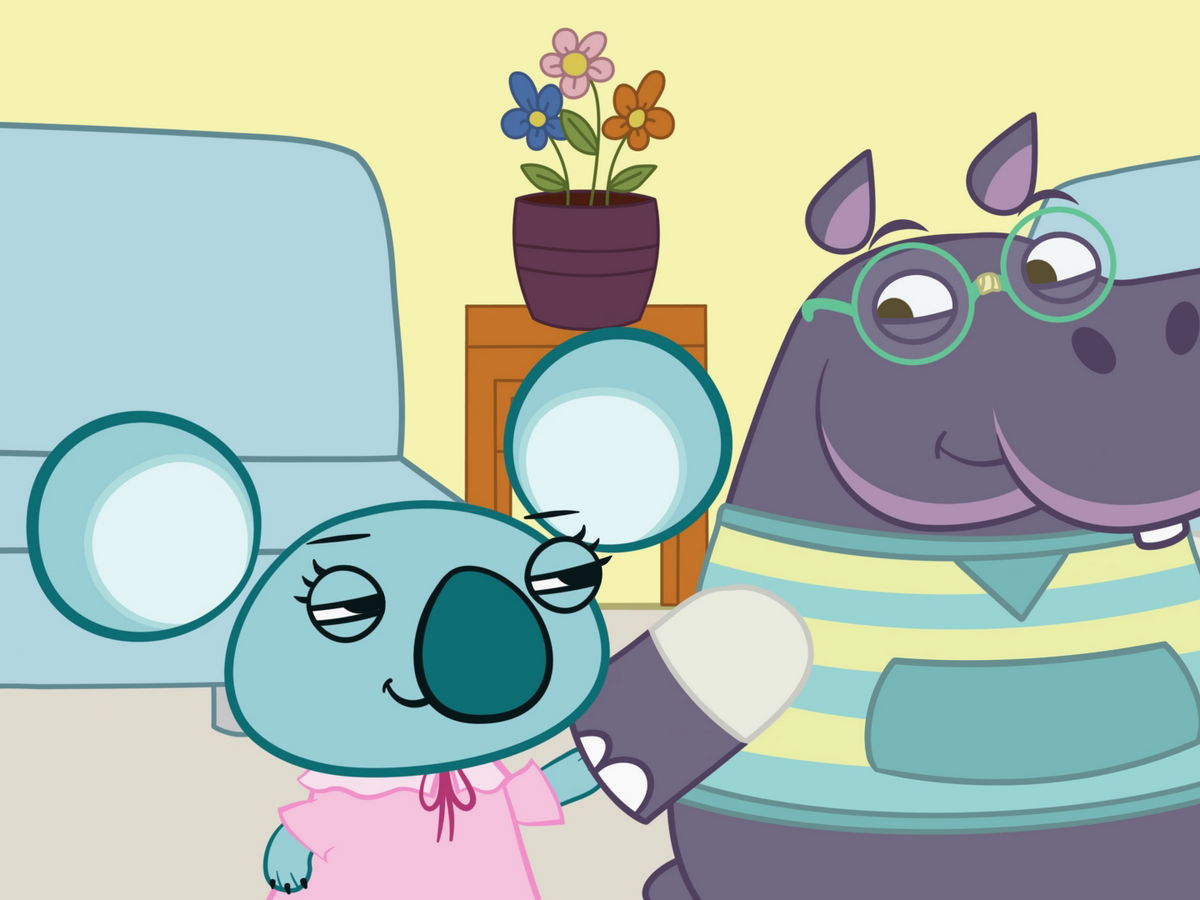
- Offer kind reminders and explain things clearly.
- Set calm boundaries without teasing or labels.
- Listen, respect their space and value their good ideas.
- Ask an adult for help if a situation becomes difficult.
ADHD does not define a whole person. With understanding, appropriate support and teamwork, every child can learn and develop their abilities.