Sinusitis
What is sinusitis?
Sinusitis is inflammation of the sinuses, small air-filled spaces behind the cheeks, nose and forehead. When they become inflamed, mucus cannot drain easily, causing congestion or pressure in the face.
It often develops after a cold and is usually caused by a virus. Although it can be very uncomfortable, it generally gets better without complications.
Symptoms
- A blocked nose and lots of mucus.
- Difficulty breathing through the nose.
- Pain or pressure around the cheeks, nose, eyes or forehead.
- Headache, cough or tiredness.
- Sometimes fever, bad breath or a reduced sense of smell.
Yellow or green mucus does not necessarily mean that the infection is bacterial or that antibiotics are needed.
Treatment and care
Most sinus infections improve without antibiotics. These measures can help ease the symptoms:
- Use saline nose drops or spray to thin the mucus.
- Drink water and other fluids regularly and get plenty of rest.
- Place a warm compress over the nose, cheeks or forehead.
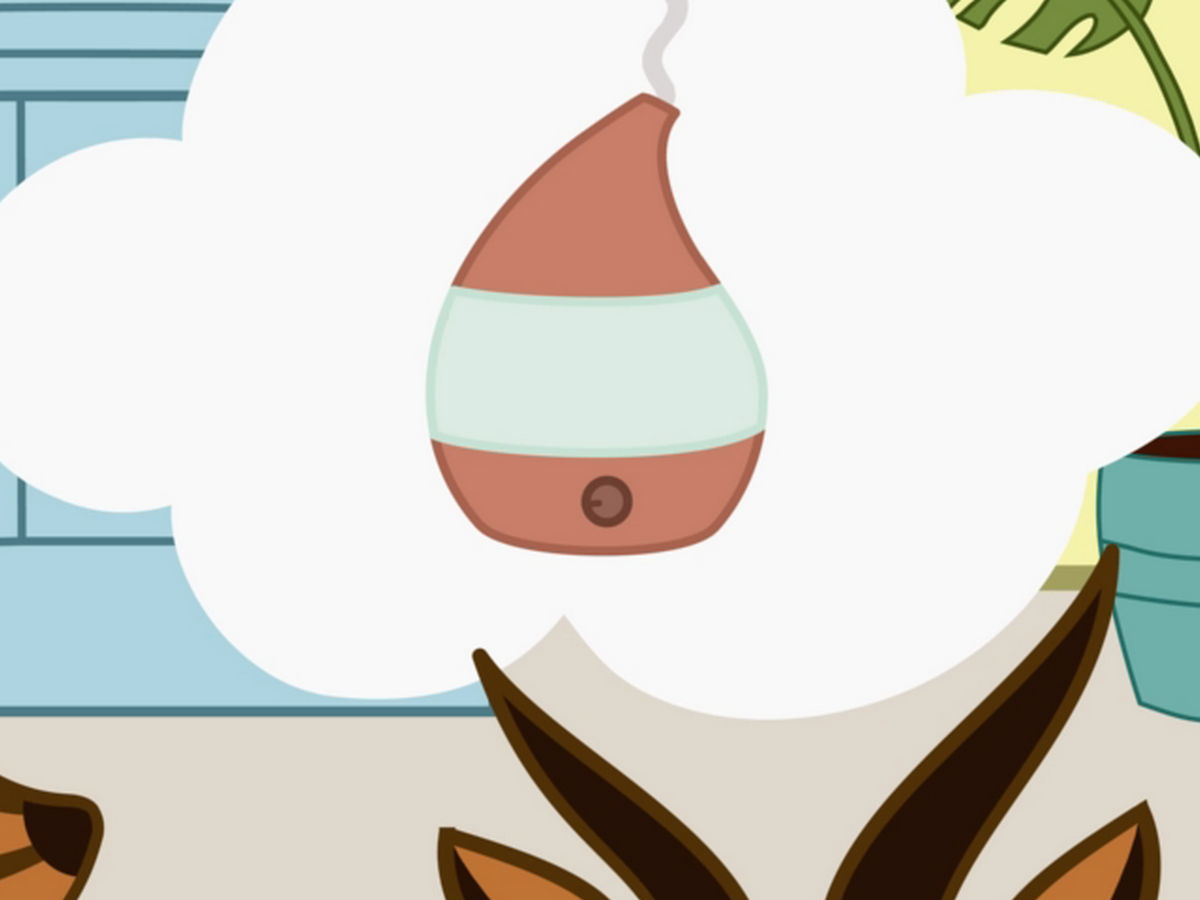
- Use a cool-mist humidifier and clean it according to its instructions.
- Ask which pain or fever medicine is suitable for the child's age and weight.
When are antibiotics used?
Antibiotics do not work against viruses. A paediatrician may prescribe them when a bacterial infection is suspected, especially when symptoms are severe, worsen after initially improving or last more than ten days without improvement.
When should we seek medical advice?
- If symptoms last more than ten days without improving or become worse again.
- If there is a high fever, severe pain or the child appears very unwell.
- If redness or swelling around the eyes persists.