Migraine
What is migraine?
Migraine causes episodes of severe, often throbbing headache. It may affect one or both sides of the head and can get worse with movement. Children can experience migraine too.
Symptoms
- Severe, throbbing or pounding head pain.
- Strong sensitivity to light (photophobia) or sound (phonophobia).
- Nausea and sometimes vomiting.
- Some people have an aura and may see flashes, bright spots or patches before or during an episode.
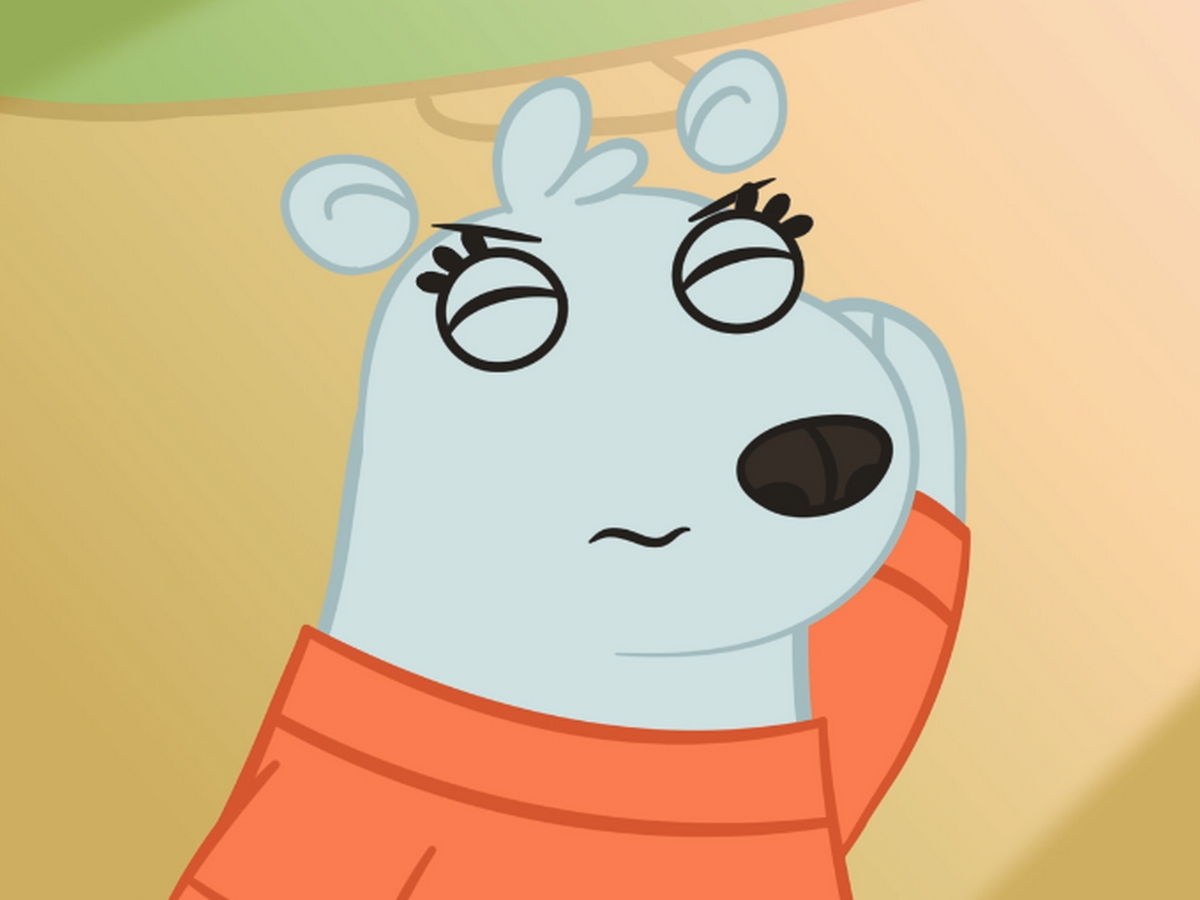
Possible triggers
Triggers differ from one person to another. Common examples include:
- Bright or flashing lights.
- Loud noises.
- Stress, anxiety or tiredness.
- Too little sleep, skipped meals or not drinking enough water.
- Some strong smells.

Treatment and management
When a migraine begins, these steps may help:
- Rest in a quiet, dimly lit room.
- Drink water and try to sleep.
- Only take medicines and doses recommended by a healthcare professional.
- Keep a record of episodes to help identify possible triggers.
- Maintain regular sleep and mealtime routines.
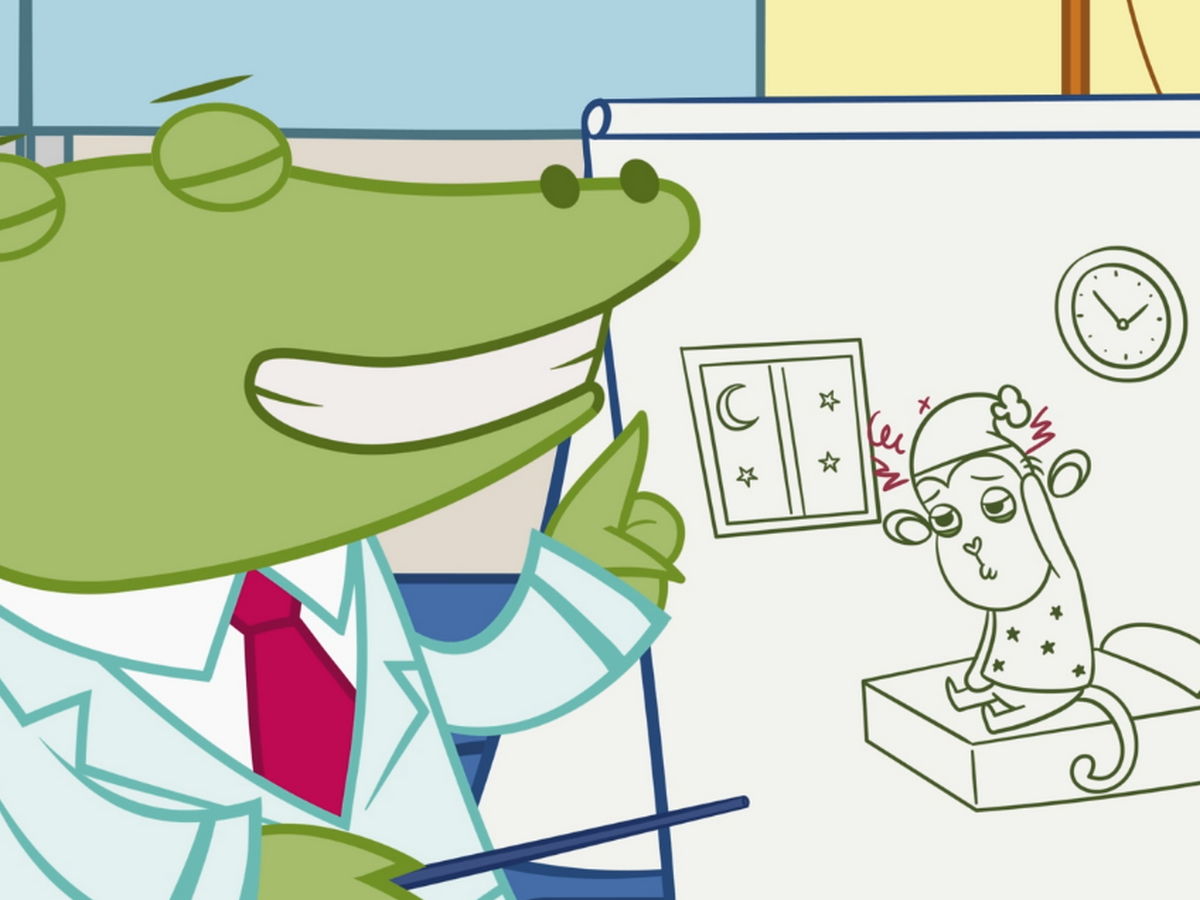
Ask a doctor for advice if headaches keep returning, get worse or interfere with everyday activities. A sudden, extremely severe headache, or one with confusion, weakness, difficulty speaking, high fever or a stiff neck, needs urgent medical attention.