Poisonous mushrooms
What is mushroom poisoning?
It is poisoning caused by eating wild mushrooms that contain dangerous toxins. A mushroom can be poisonous even if it looks appealing, and some toxins can cause serious harm.
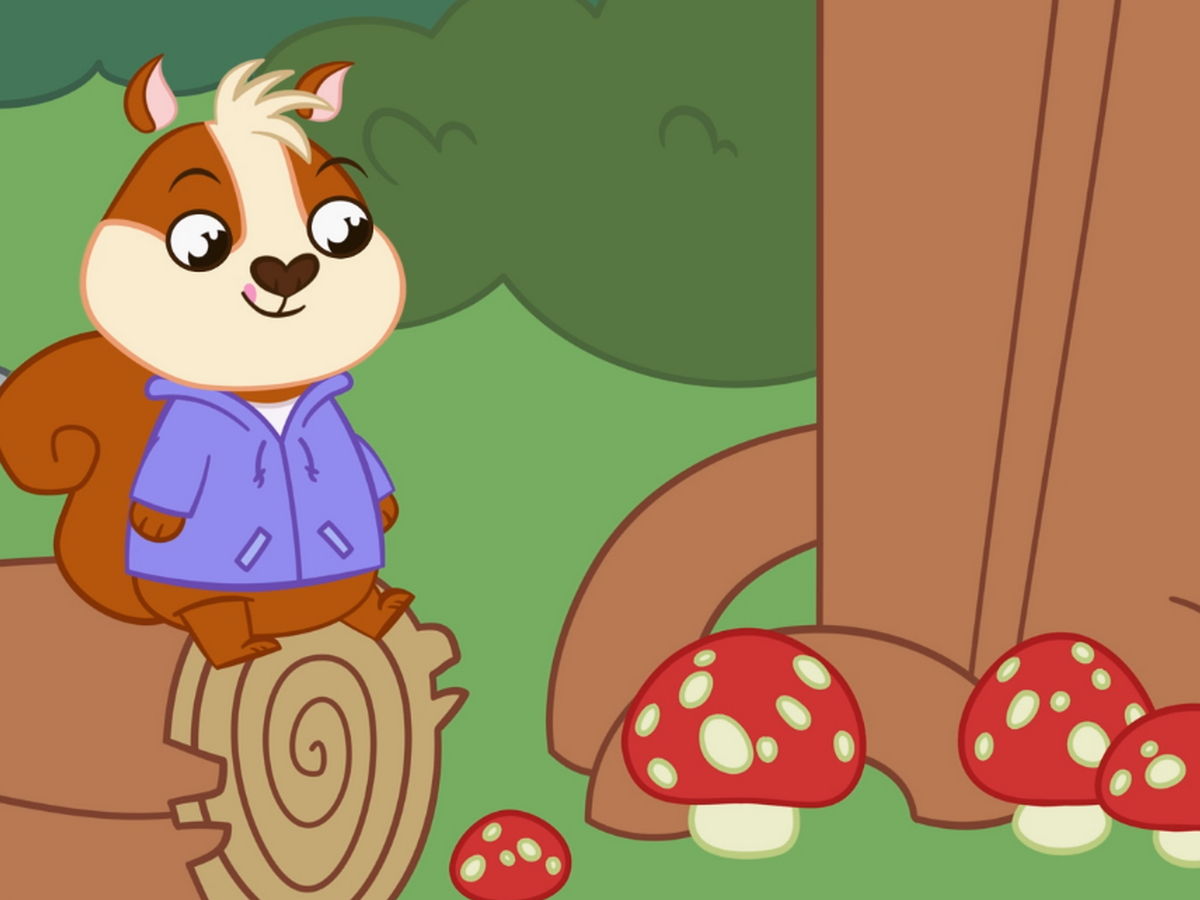
Symptoms
Symptoms vary depending on the mushroom and may begin soon after eating it or several hours later. They can include:
- Stomach pain, nausea, vomiting or diarrhoea.
- Dizziness, headache, weakness or feeling generally unwell.
- Sweating, watery eyes, or changes in the pupils or vision.
- In severe cases, confusion, breathing difficulties, seizures or loss of consciousness.
Treatment
Possible mushroom poisoning needs urgent medical assessment. Treatment depends on the mushroom, how much time has passed and the symptoms.
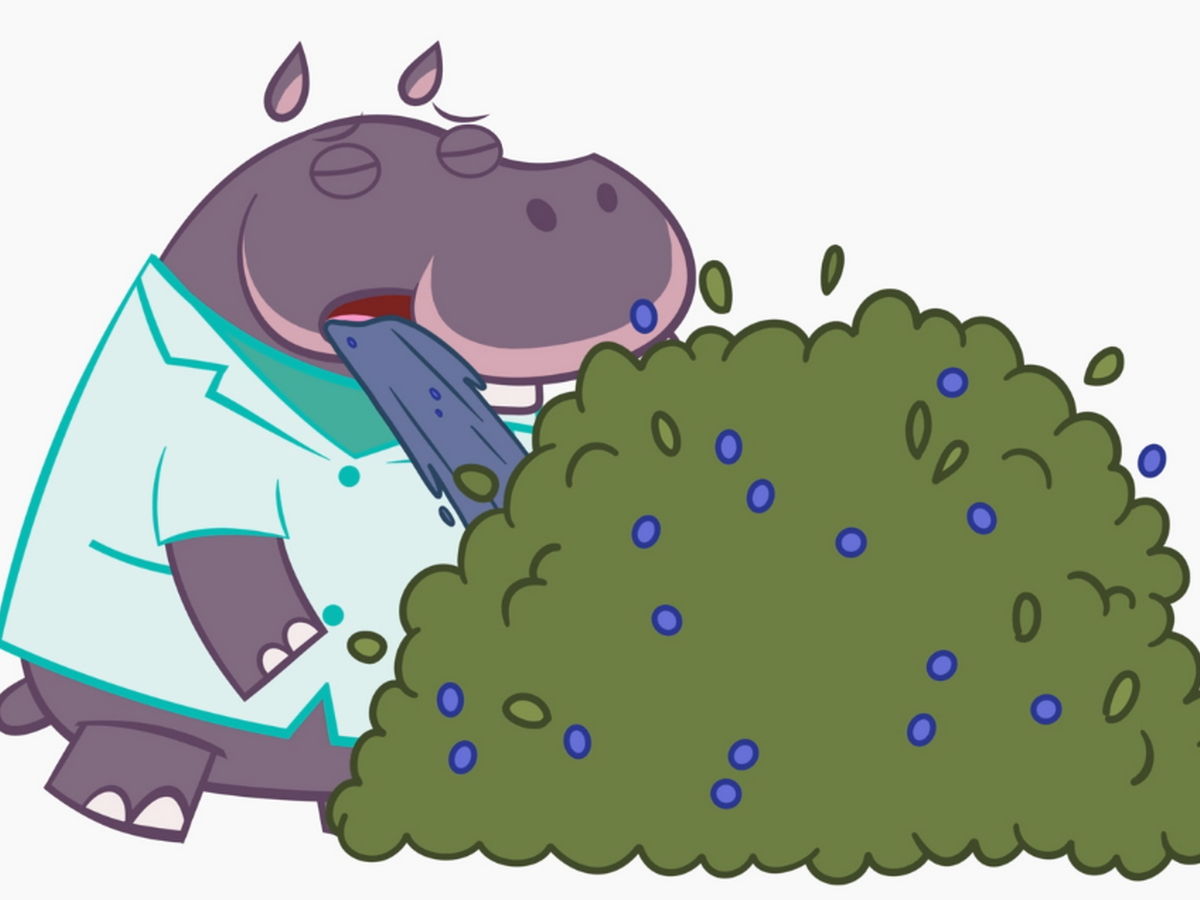
- Activated charcoal: in some cases, the medical team may give it to reduce absorption of certain toxins. Never use it at home unless instructed by a healthcare professional.
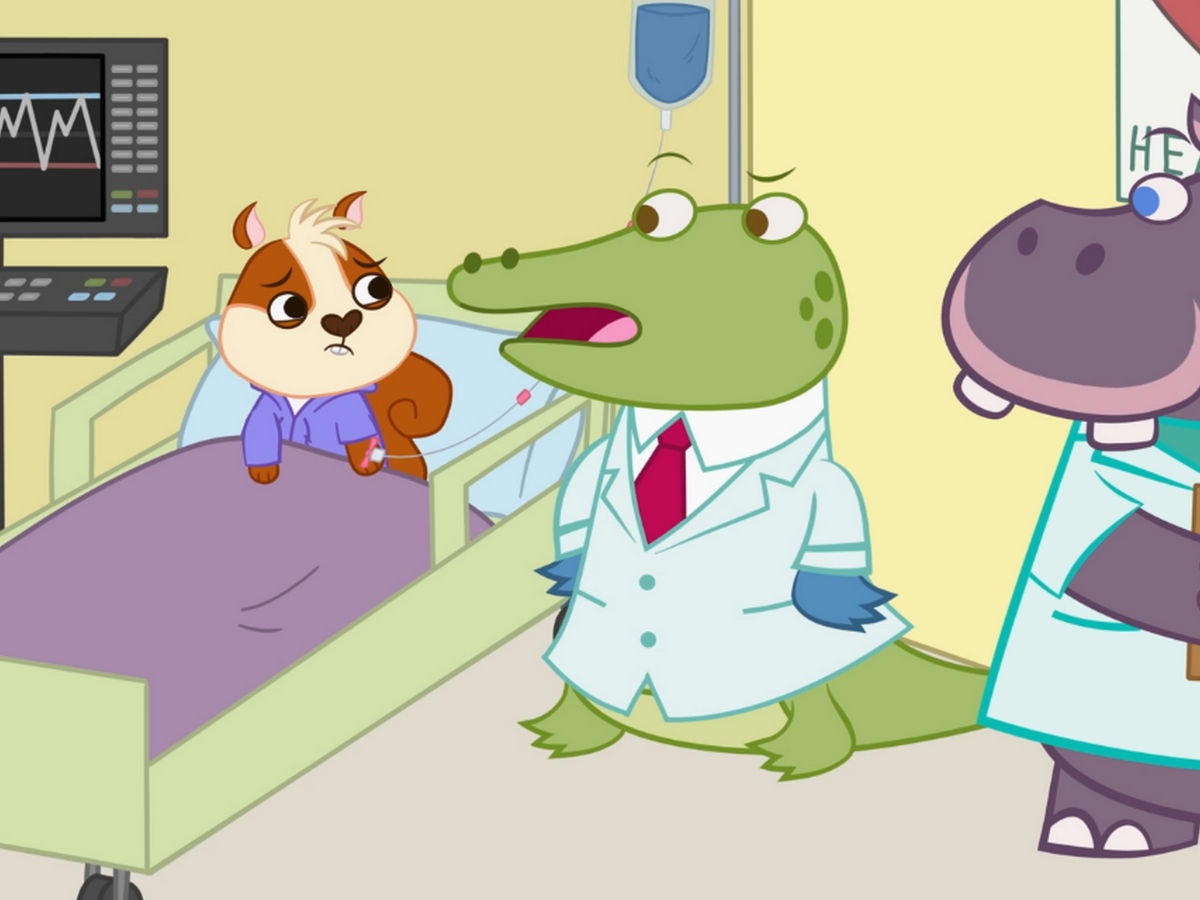
- Intravenous drip: this may be used to provide fluids, medicines and other supportive treatment.
- Medical monitoring: blood tests and monitoring of the liver, kidneys, breathing and other organs may be needed.
Prevention and safety advice
- Do not pick or eat wild mushrooms, plants or berries unless an expert has identified them as safe.
- A mushroom's colour, smell or appearance cannot tell you whether it is safe to eat.
- Take enough food and water from home when going on an outing.
- Never taste an unknown mushroom, even in a small amount.
If someone has eaten an unknown mushroom, get medical help immediately. Do not wait for symptoms, cause vomiting, or give food, drink or home remedies unless a professional tells you to. If possible, keep a sample or photograph of the mushroom to help identify it.