Problematic screen use
When does screen use become problematic?
Tablets, phones, computers and video games can help us learn, communicate and have fun. A problem develops when it becomes very difficult to stop and screen use begins to displace important everyday activities.
Spending a long time on a screen does not automatically mean addiction. To identify a disorder, a professional assesses loss of control and significant, lasting harm to personal, family, social or school life.
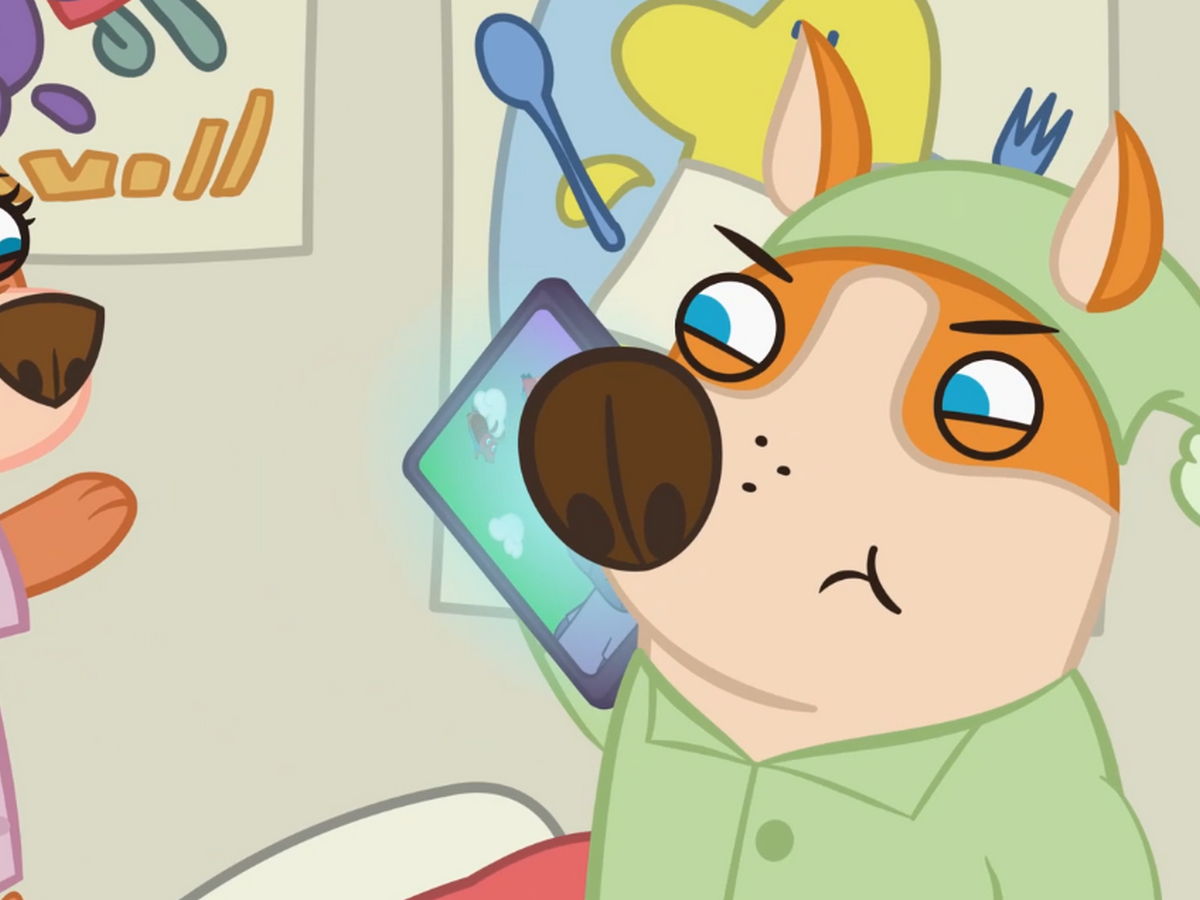
Warning signs
- Becoming extremely angry or irritable when a device cannot be used.
- Losing interest in games, sport, friends or other activities.
- Losing sleep or using screens during meals and homework.
- Neglecting responsibilities or continuing despite negative consequences.
- Repeatedly trying to cut down but being unable to do so.
Possible effects
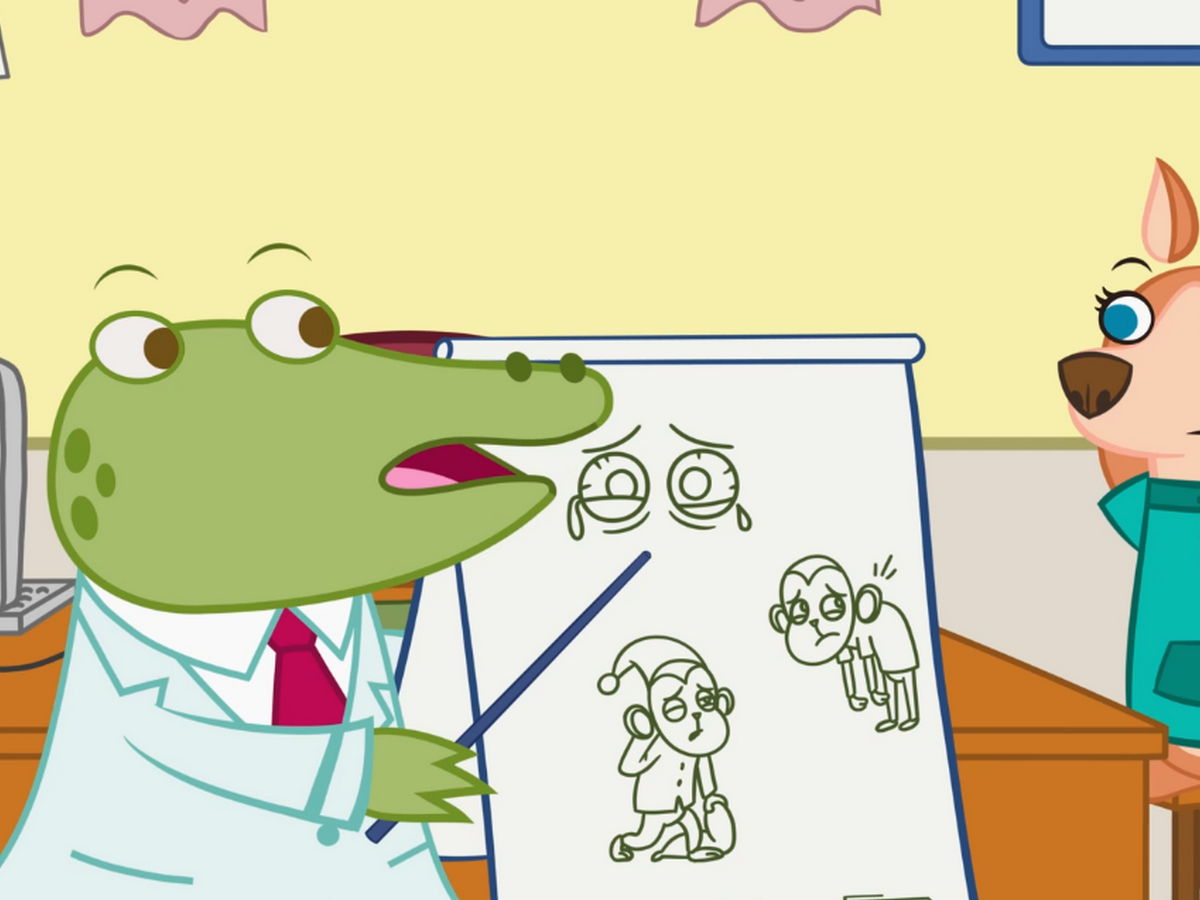
- Tiredness, lack of sleep and difficulty concentrating.
- Eye discomfort and headaches.
- Neck or back pain caused by poor posture.
- Less movement and less time for relationships, play and learning.
Healthy digital habits
The aim is not to remove every screen, but to use them in a balanced, age-appropriate way:
- Agree on clear family schedules, spaces and limits.
- Put devices away during meals, homework and conversations.
- Turn screens off before bedtime and keep them out of the bedroom.
- Take breaks, move around and regularly look into the distance.
- Make time for play, reading, sport and being with other people.
- Choose age-appropriate content with guidance from an adult.
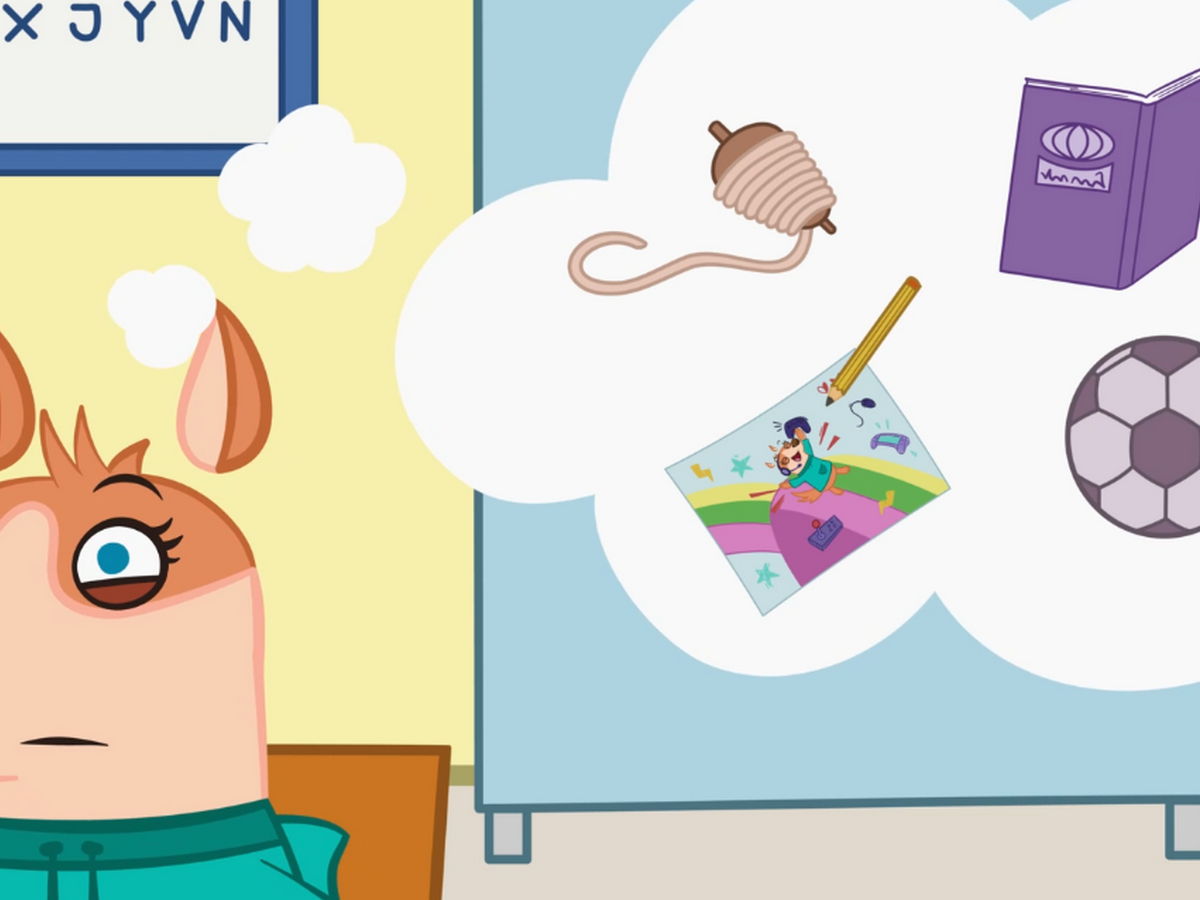
If screen use causes constant conflict or harms sleep, school, relationships or wellbeing, talk to a paediatrician or mental-health professional.