Anaemia
What is anaemia?
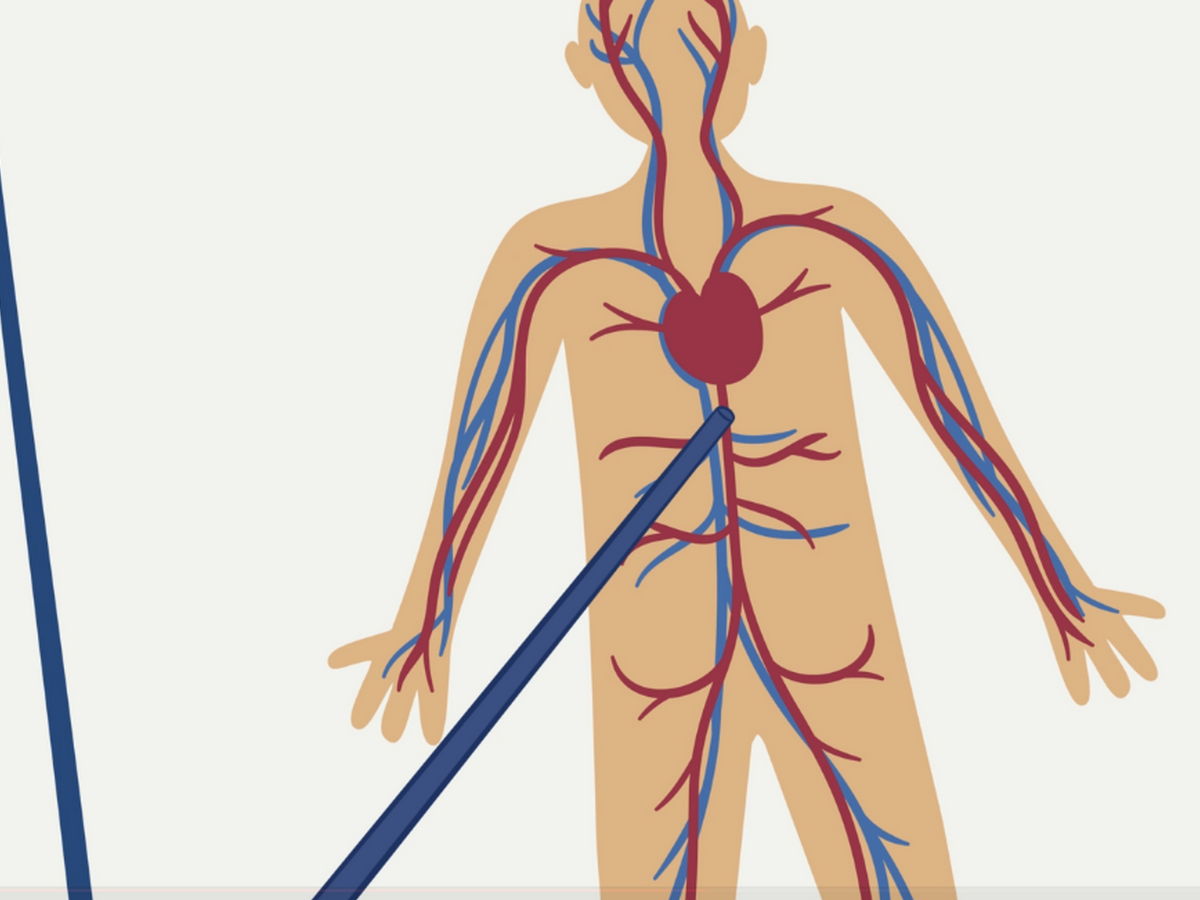
Anaemia is a condition in which the blood does not have enough healthy red blood cells or enough haemoglobin. Haemoglobin helps carry oxygen to the muscles, brain and other organs.
In the episode, the anaemia is caused by iron deficiency. Iron is a mineral the body needs to make haemoglobin.
Symptoms
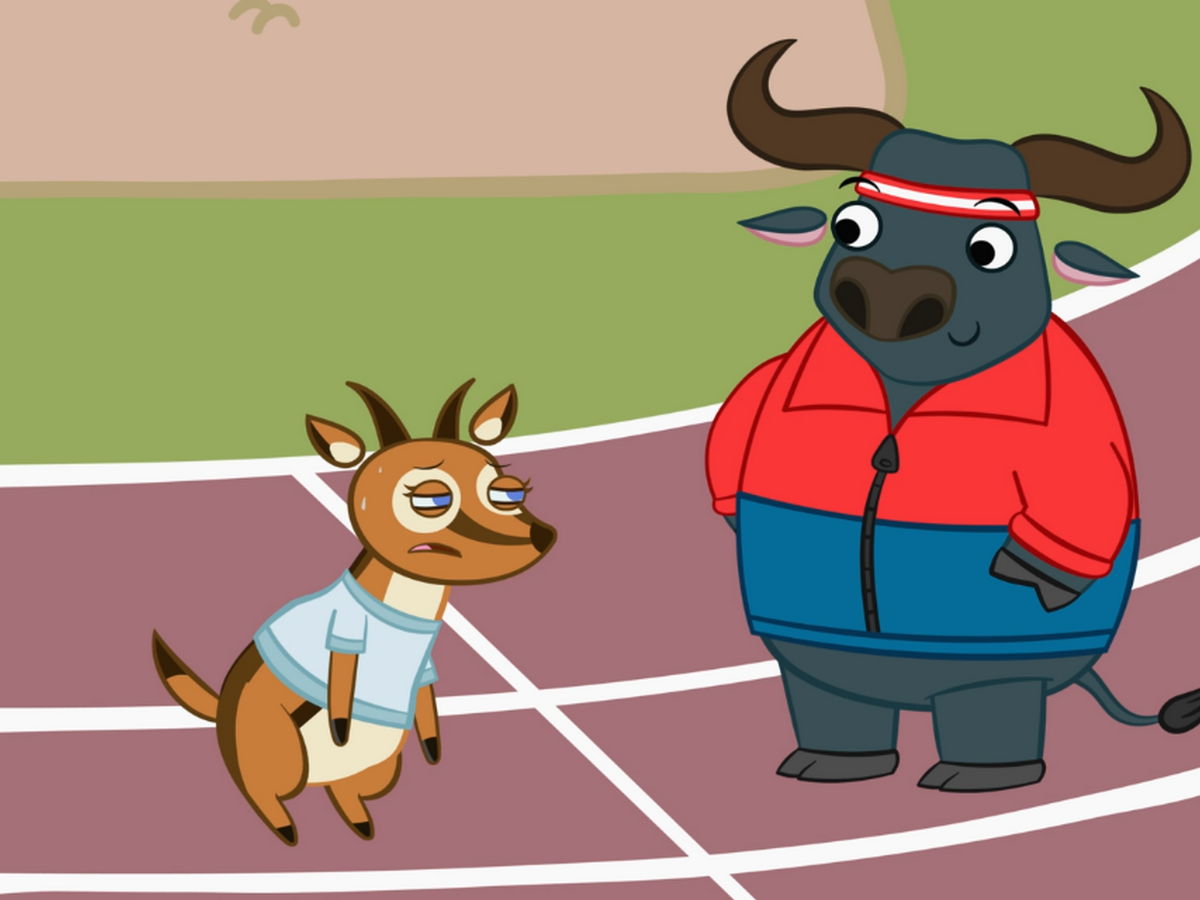
- Tiredness and lack of energy.
- Weakness or reduced stamina during exercise.
- Skin, lips or the inside of the eyelids looking paler than usual.
- Dizziness, headache or shortness of breath, especially when anaemia is more severe.
Why can it develop?
- A diet that does not provide enough iron.
- Periods of rapid growth, when the body needs more iron.
- Blood loss or difficulty absorbing iron.
- Other illnesses or nutritional deficiencies.
Treatment
A blood test can show whether someone has anaemia. A healthcare professional then looks for the cause and decides on the right treatment.
- Improve the diet when iron deficiency is related to food.
- Take iron supplements only when prescribed by a healthcare professional.
- Treat the cause of the anaemia and attend the recommended check-ups.
Foods containing iron
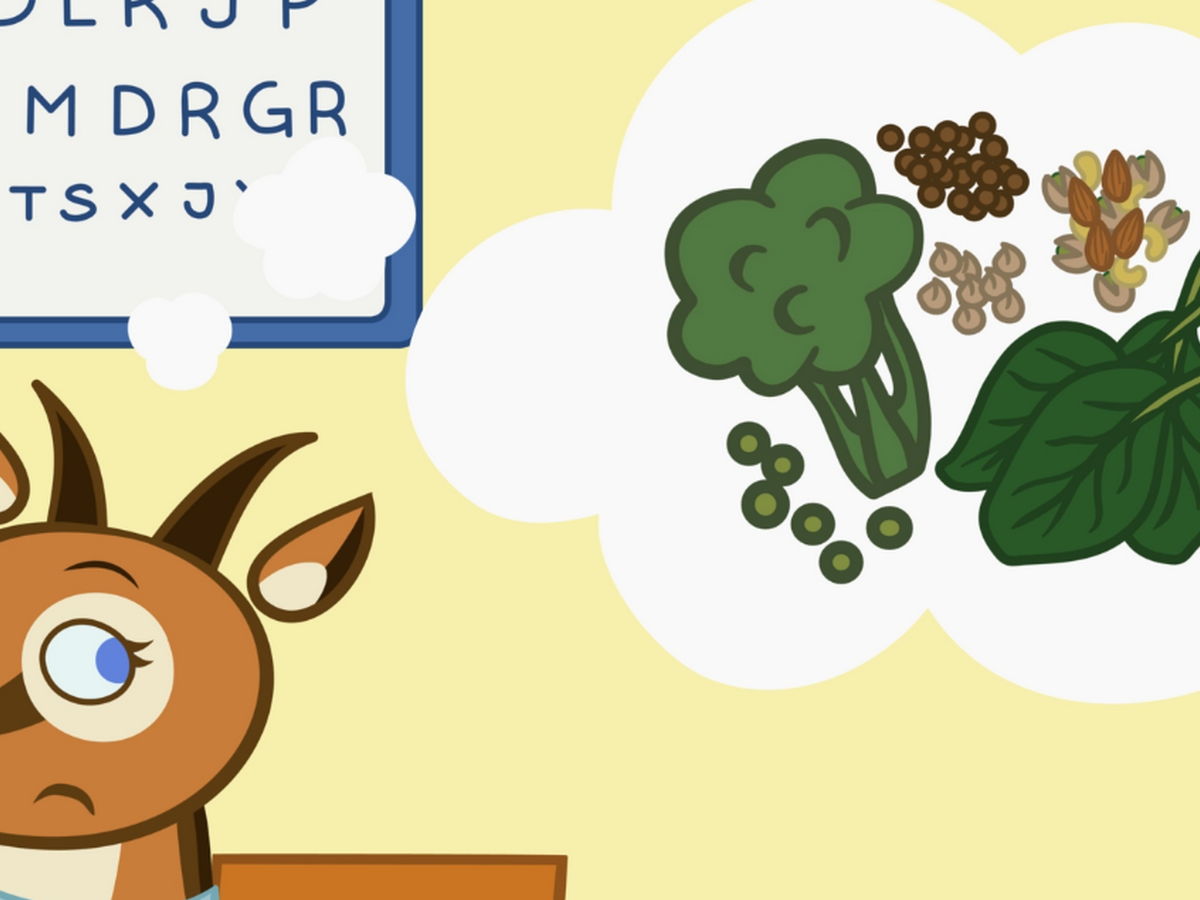
These include pulses, meat, fish, eggs, dark-green leafy vegetables and some fortified cereals. A varied diet also provides the other nutrients the body needs.
Iron supplements should not be taken without medical advice and must be kept out of children's reach: too much iron can be dangerous.